
Bone bruise · San Diego
Bone Bruise That Won’t Settle? Why It Still Hurts and What Helps
A bone bruise is an injury inside the bone itself. That’s why it can keep aching for weeks after everything else feels fine, and why waiting it out doesn’t always finish the job.

What a bone bruise actually is
Most bruises sit in the skin and muscle. A bone bruise is deeper. A hard knock, a fall or a bad twist squeezes the bone, and small amounts of fluid and blood collect inside it. On an MRI it often shows up as “bone marrow edema.”
They are common alongside other injuries: a twisted knee, a rolled ankle, a fall onto a hip or a hand. Often the ligament or the sprain gets all the attention, and the bone bruise underneath is what keeps you sore.
Here’s the catch. You stand on these bones all day. Every step, every stair and every hour on your feet loads the injured spot again. So while a skin bruise fades in a week or two, a bone bruise commonly takes several weeks to a few months to feel normal, and sometimes longer.
Signs it’s still irritated
- A deep ache that builds through the day and is worse by evening
- Pain with stairs, standing for a long time or walking further than usual
- A tender spot right on the bone when you press it
- Feeling fine at rest, then sore the day after you do more
- An ache at night after a busy day on your feet
Where most people get stuck
We see two patterns again and again.
Resting for too long. Bone responds to load. Weeks of avoiding it completely can leave the bone and the muscles around it weaker, so the first normal day back hurts all over again.
Going straight back to everything. The boot comes off, it feels a bit better, and you go back to your full routine. The bone wasn’t ready, it flares up, and you’re back to square one.
What works is the middle path: loading the bone a little more each week, at a pace it can handle, while you build the strength around it.
How we help a bone bruise heal
First we find out what is keeping it irritated. That means an assessment of the injured area, how you walk and stand, and what your days and goals look like. Then we build a plan that brings your walking, strength and activity back up gradually, so you’re not guessing.

Alongside that plan, we use regenerative tools that are designed to support your body’s own repair process. We have focused shockwave, radial shockwave and EMTT, and we’re the only clinic in San Diego with all three.


What each one does
Focused shockwave sends sound-wave energy to a precise point, and it can reach deeper tissue, including bone. Research on shockwave and bone goes back decades, mostly in fractures that were slow to heal.
EMTT (extracorporeal magnetotransduction therapy) uses a pulsed magnetic field that passes deep into the body. It is designed to support cell activity and circulation in the treated area.
Radial shockwave spreads energy over a wider, shallower area. It’s useful for the muscles and tendons around the injury that often tighten up while you’ve been limping.
Research on these tools for bone bruises specifically is still growing, and results vary from person to person. They work best as part of a plan, not as a stand-alone fix.
When to see your doctor first
Some symptoms point to something more than a bone bruise. See your doctor before starting any treatment if:
- You can’t put weight on it
- The pain is getting worse instead of slowly better
- Swelling keeps growing, or the joint locks or gives way
- There is numbness, or redness and heat with a fever
- It followed a big impact and you have never had it checked or imaged
If we see any of these at your visit, we’ll tell you and point you to the right kind of doctor.
Had a stress fracture instead?
Bone bruises and stress fractures can feel alike, but they happen differently and heal differently. If your pain came on gradually from walking, running or more time on your feet, read our stress fracture guide.
Sharp heel pain with your first steps in the morning? See our heel spur guide.
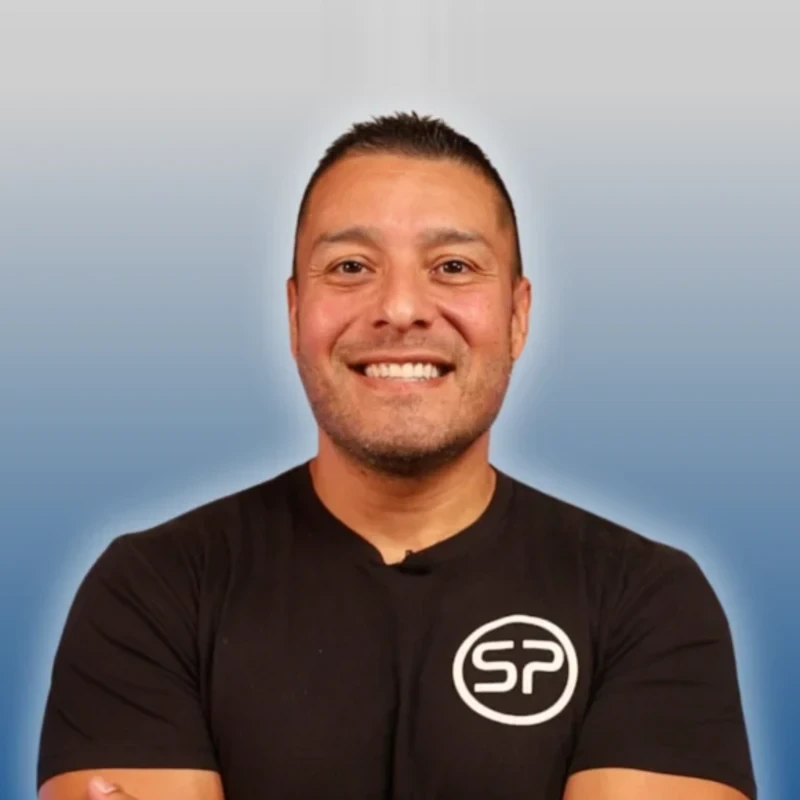
Dr. Chris Garcia, PT, DPT, SCS, CSCS, USAW
Residency-trained sports physical therapy specialist and founder of Sports Performance. He has been helping people heal with regenerative therapy since 2008, and he builds the plan our team follows for every client.
Find out what’s keeping your bone bruise sore
Book a free discovery call. We’ll ask about your injury, tell you whether we can help, and explain what a plan would look like.
Book a free discovery call →Or call (619) 397-1391.
Shockwave and EMTT are not appropriate for every patient or every condition. Always consult a qualified provider about your own situation.